Eight days elsewhere, appendix
May 2010
I thought that a cruise might be a good vacation option for someone recovering from spinal problems. But that was a mistake—unless one stays locked up in their cabin. I couldn’t reach Istanbul without setting foot on land. So we walked a lot—way too much.
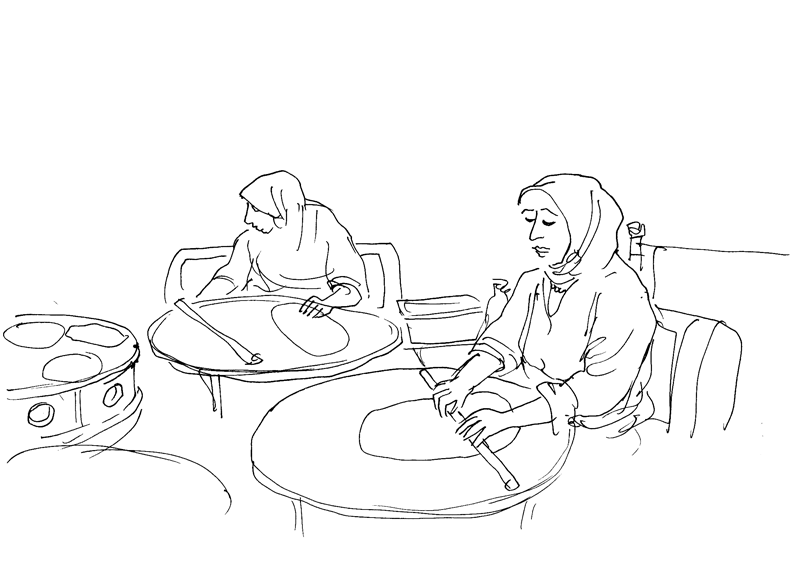
A restaurant in Istanbul. On the left, the hotplate used to cook pancakes.
It all starts with a “small” ship we boarded in Marseille:
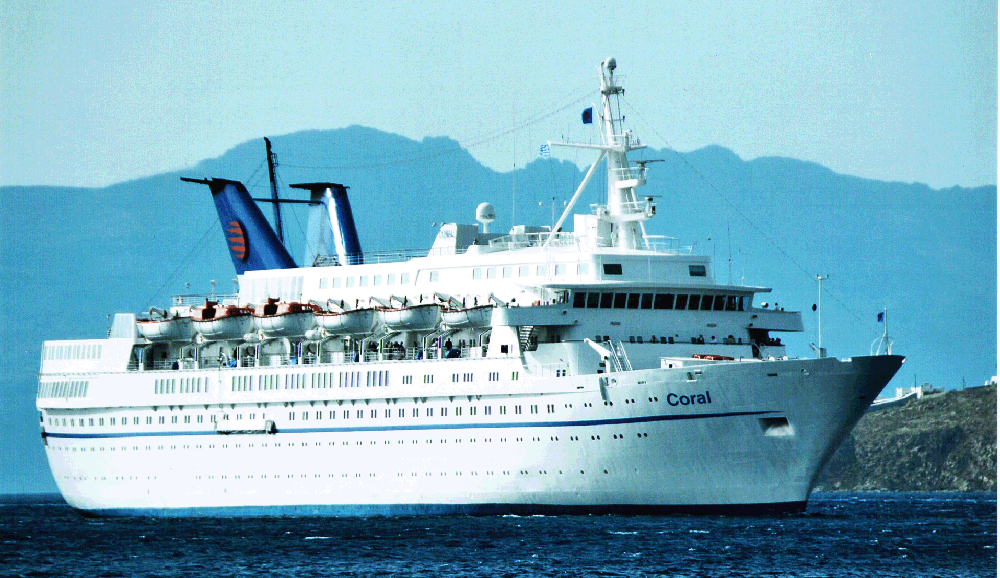
The Coral, operated by Louis Cruises; 950 passengers, 300 crew members, 145 meters long, 9 decks.
Actually, there are much larger ones—“jumbo ships.”
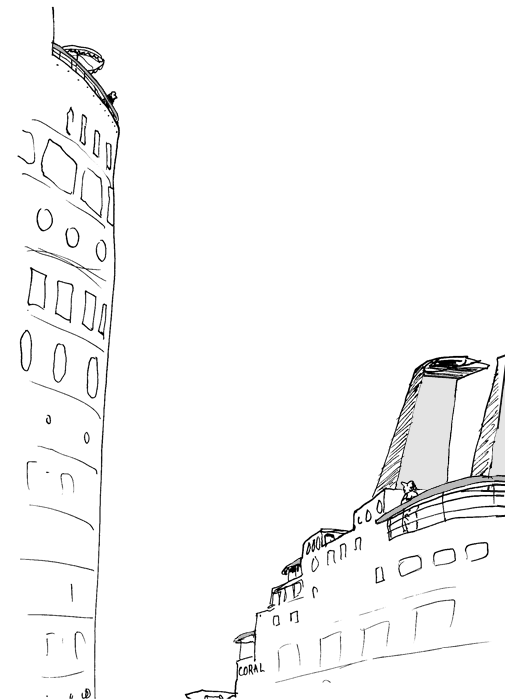
One passenger told me he had taken part in a nightmare-like cruise aboard a floating bazaar carrying 6,000 passengers and 3,000 crew members.
– Just getting from the cabin to the restaurant was so complicated it made you lose any desire to eat...
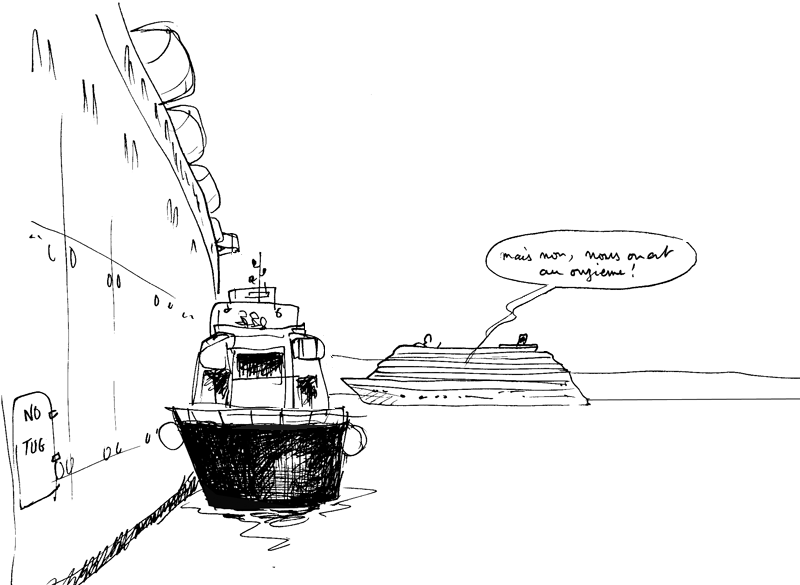
Here’s such a Leviathan, off the coast of Santorini:
Personally, in the past I preferred less crowded vacations:
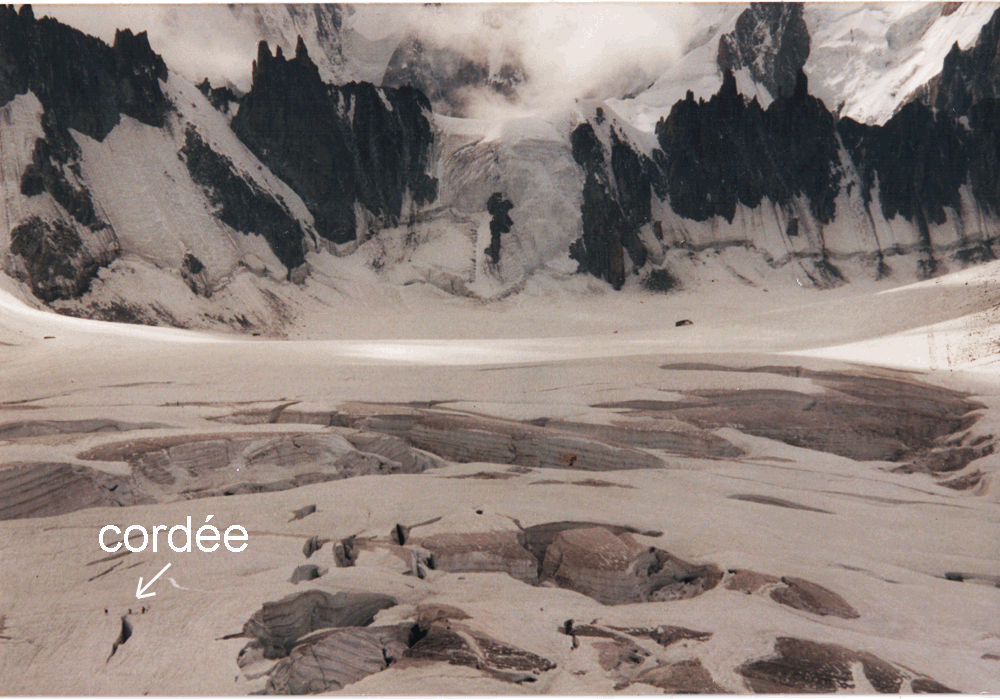
Chamonix, photo by JPP. The three dots in the foreground represent a climbing party on the glacier.
Or, just a few years ago:
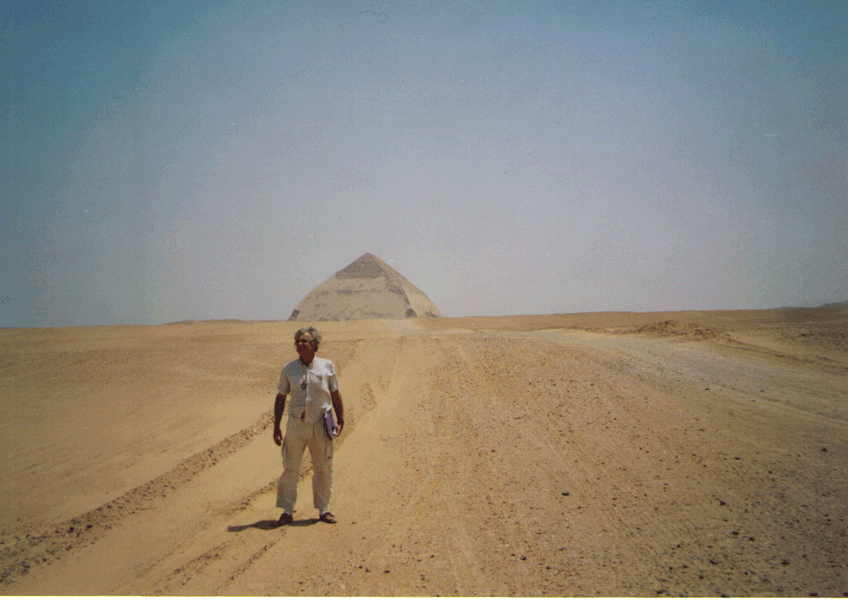
Egypt: at the Dashur site, 2006. In the background, the Rhomboidal Pyramid.
On a cruise, passengers attend one briefing after another:
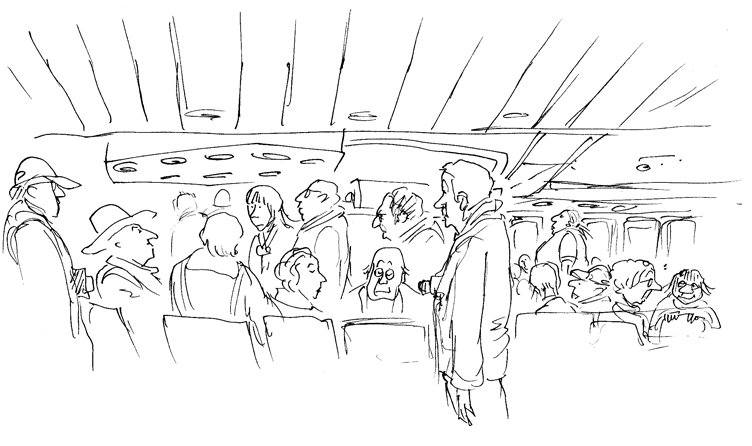
Briefing before the “assault.” Average age: between 60 and 90.

Example of remarks best ignored:
– Bin Laden is fantastic. For nearly ten years now, through cheap explosive attacks using ordinary backpacks, he’s managed to keep the US in a state of war, forcing them to spend enormous sums on military efforts, thereby exhausting their economy.
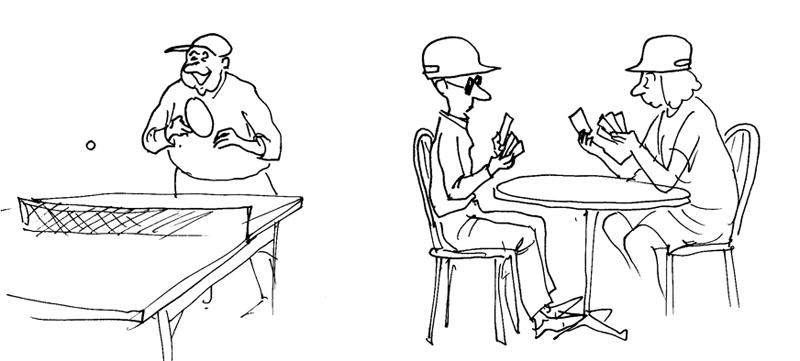
No detail is overlooked onboard, including sports activities.
However, some safety measures could use revising. Lifeboat seats are marked out, but they probably no longer match the size of most passengers:
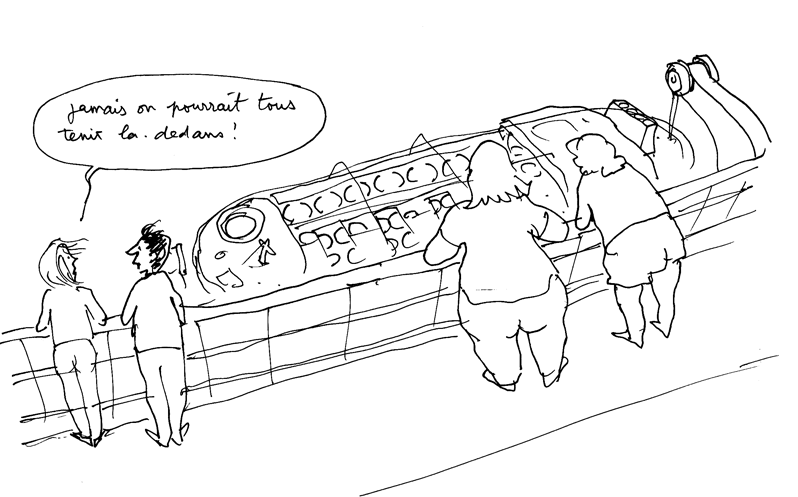
Unless they intend to sacrifice a certain number of female passengers. Possible...
Generally speaking, it’s wise to benefit from the experience of previous cruisers before jumping headfirst into excursions. Later on, I’ll dedicate a series of drawings to Santorini, a tourist site completely ruined over recent decades. Just twenty years ago, access to the village was only possible on foot or by mule. Today, a cable car has been built; each ride can carry 36 people in six cabins of six passengers each. Everything else followed, including a... Chinese restaurant.
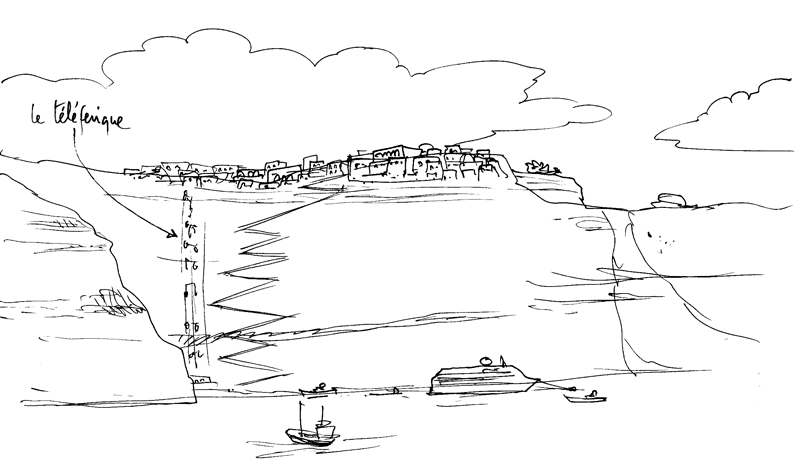
To the right of the cable car, the uphill path used by walkers and mules.
(The photo, on Wikipedia [http://fr.wikipedia.org/wiki/Fichier:FIRA-SANTORIN.JPG], predates the cable car’s construction.)
Whenever a ship carrying 3,000 passengers drops anchor, transporting them up to the ridge via cable car would take ten hours. So they built another dock on the right, invisible here, where buses can pick up tourists and drive them along a winding road to the shopping street, where they can shop. Then the same buses bring them back down, loaded with goods made in China or Thailand.
This island, once a wonderful stopover, simply no longer exists. Santorini, the island of wine, is now just a dark rock. This tourist site has become unrecognizable (I visited it thirty years ago). To make the visit more exciting, they invented a “volcano” excursion, requiring a boat trip.
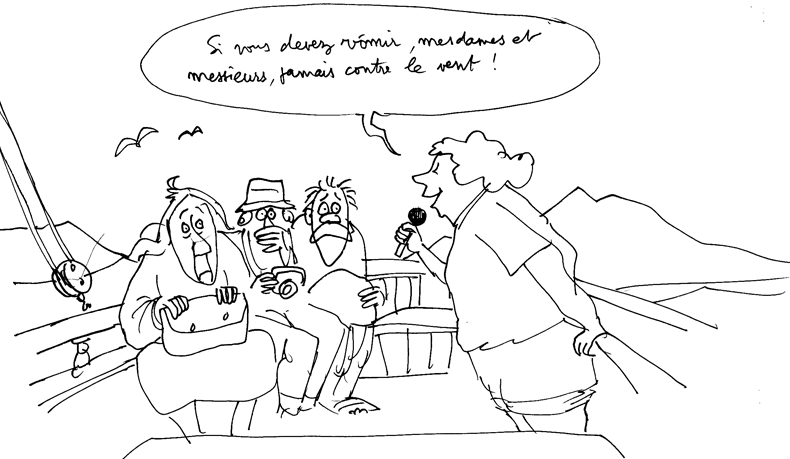
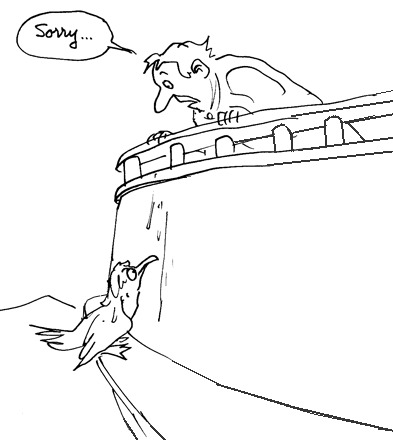
This late spring of 2010 was particularly unfriendly weather-wise:
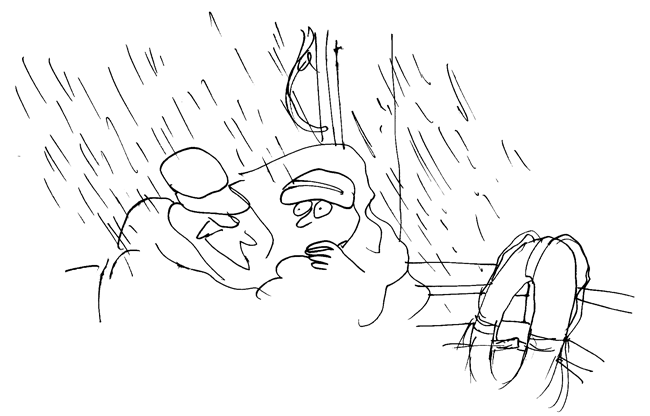
The excursion is utterly pointless. The ship then takes its passengers to another island where supposedly there’s a “hot spring”—pure nonsense.
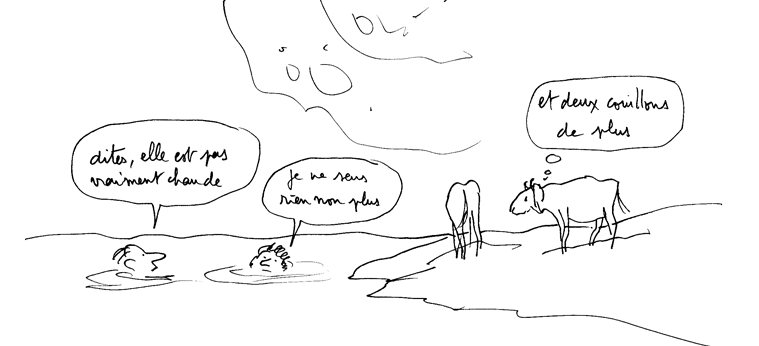
These aspects likely reflect how Santorini has evolved over recent decades. Let us recall that this group of islands marks the caldera of a massive volcano that destroyed Minoan civilization in Crete in 1600 BC.
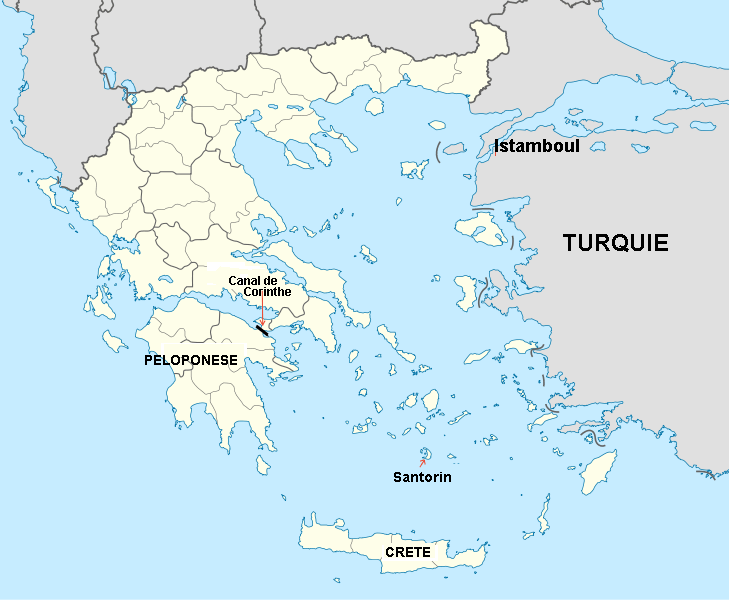
Greece – Crete – Turkey
After posting this page, Greek readers accused me of Hellenophobia. I’d rather be accused of Cretinophobia. Ruining tourist sites isn’t a Greek specialty by any means. Generally, in certain Italian tourist regions, some sites have escaped destruction. I’d cite an example akin to Saint-Tropez on the Sorrento coast: Amalfi.
The comic strip that follows merely illustrates what happens in every region of the world. Everywhere, locals bear responsibility, and even more so their elected officials, tempted by discreet bribes. There isn’t a single tourist spot untouched by businessmen and real estate developers. I’d mention a region I know well: the Calanques between Marseille and Cassis, one of the world’s most beautiful coasts, where I practiced climbing for years; there, defense committees have so far succeeded in blocking a coastal highway lined with hotels. By what miracle?
Hopefully it lasts.
Of course, one can’t sigh and say:
– Ah, if only you’d known the Côte d’Azur at the start of the century!
It’s all a matter of degree. But developing Santorini hasn’t exactly been a success...
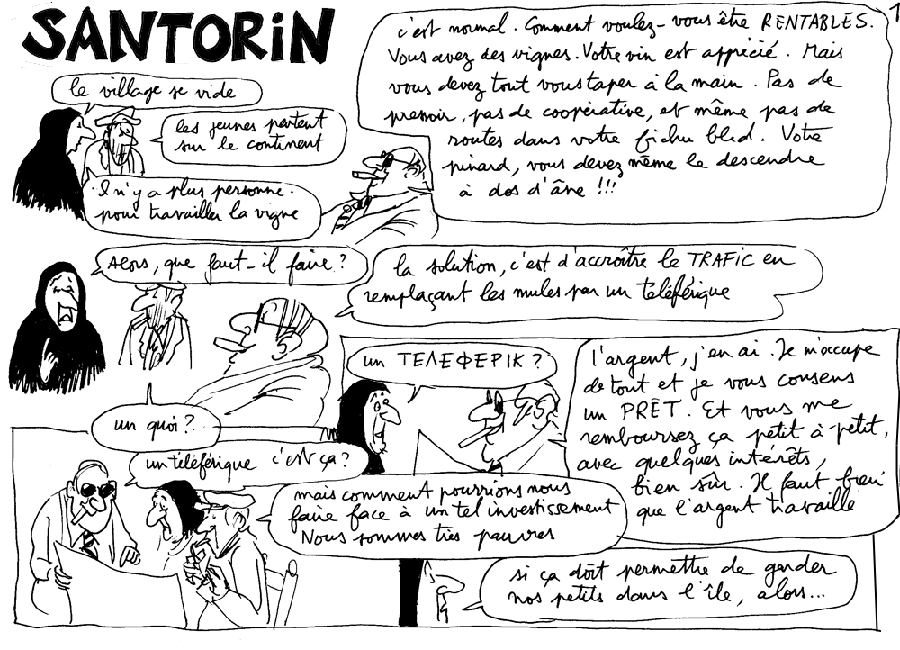
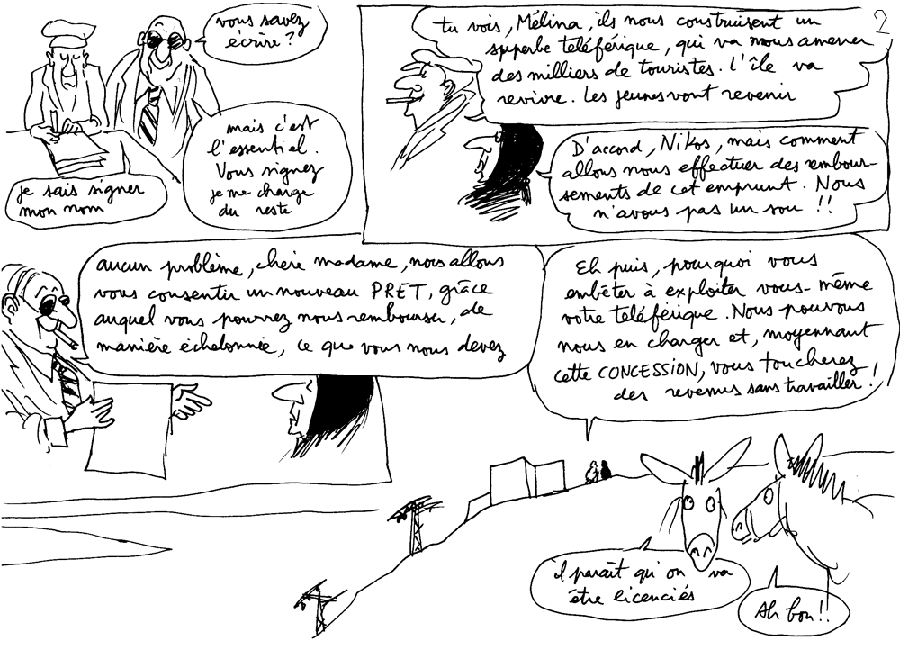
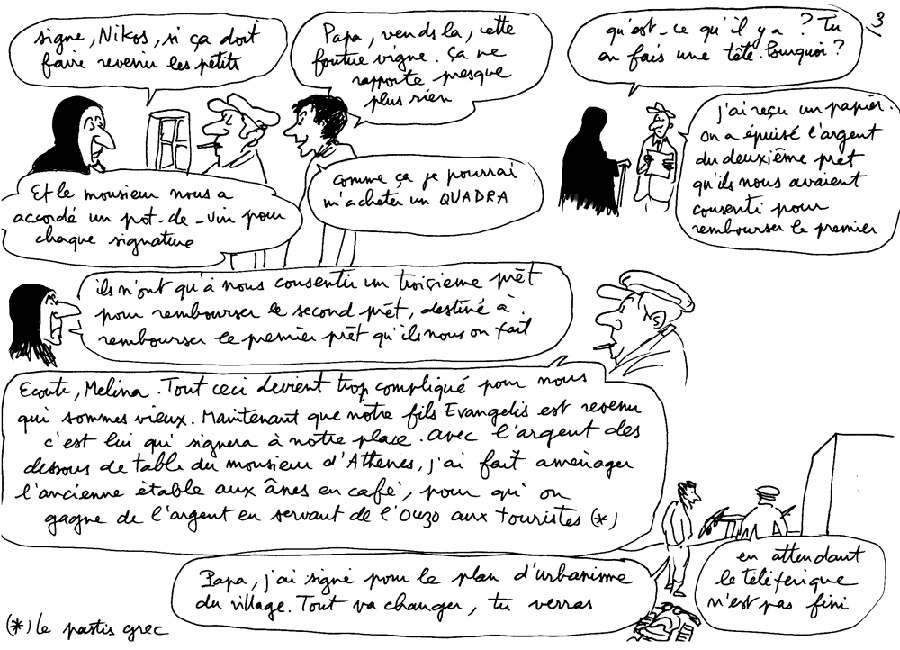
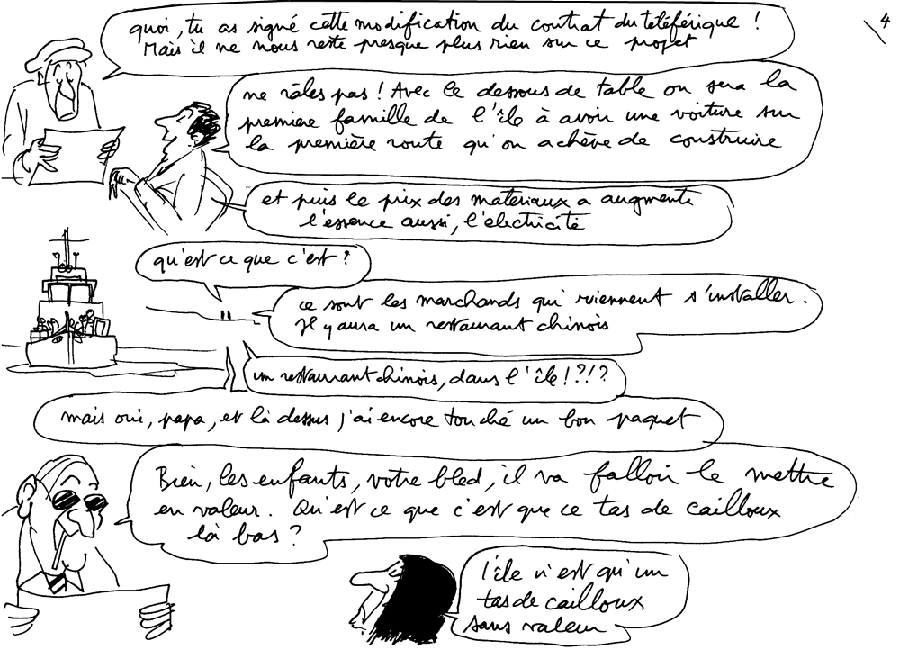
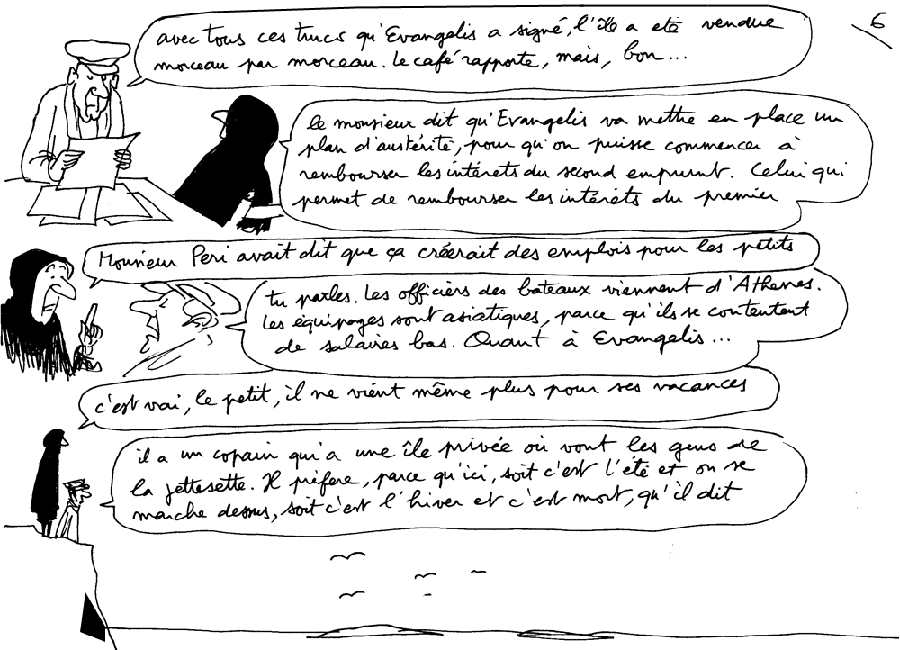
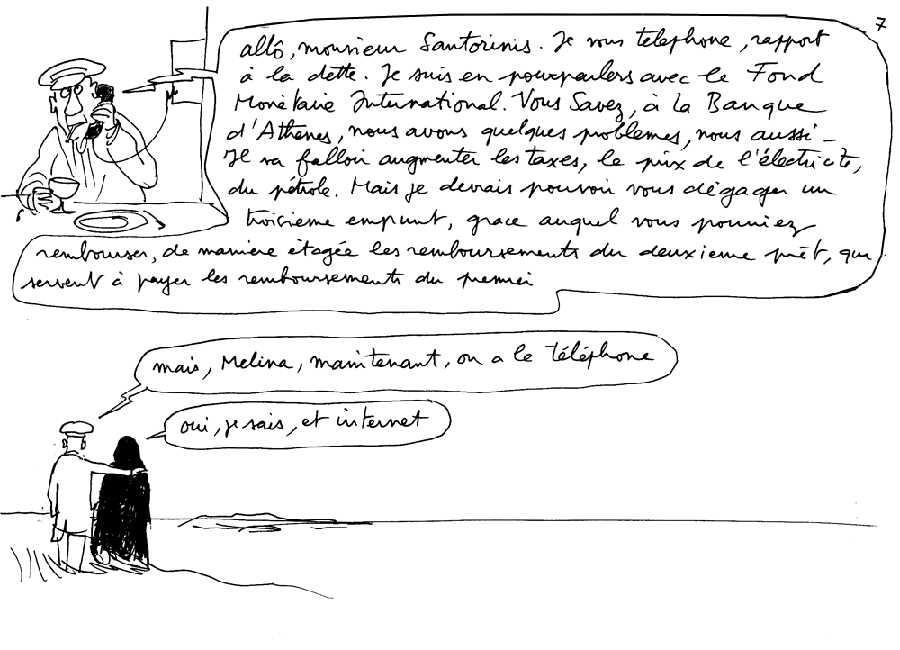
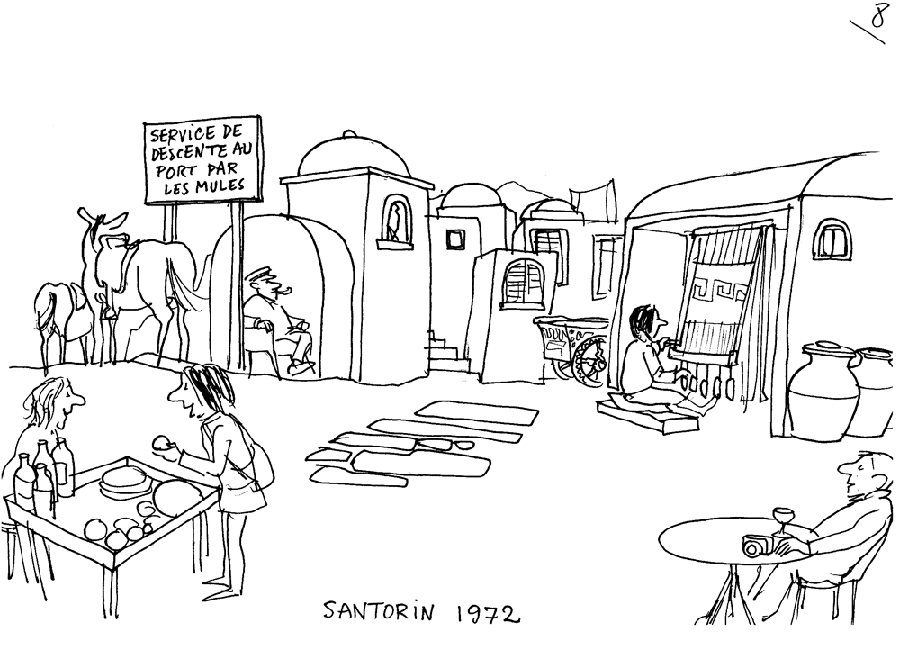
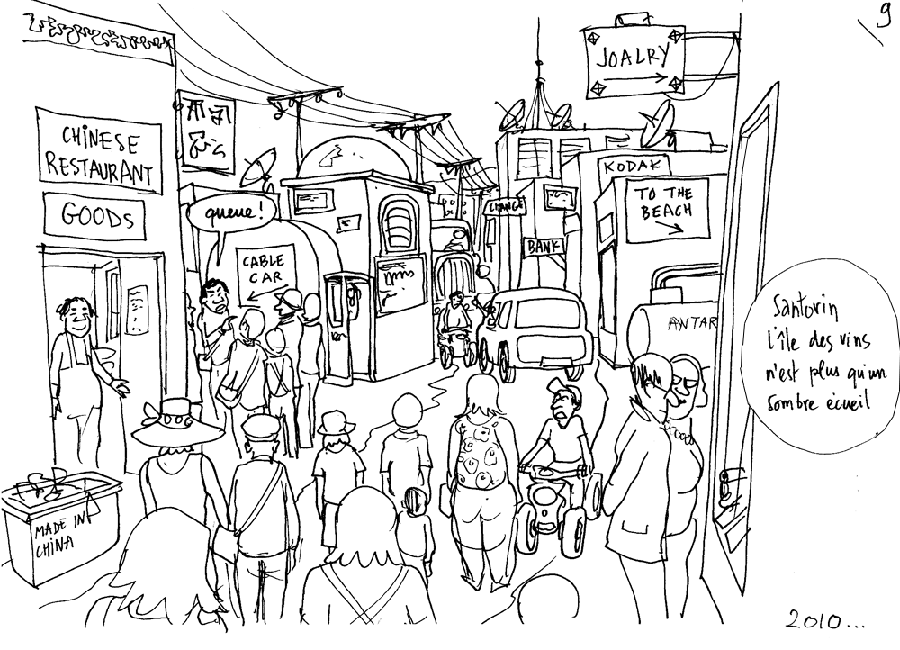
Commentary from a Greek reader after publication of this comic
In any case, in organized tourism one must exercise discernment, foresight, and draw on others’ experiences. Istanbul is obviously a fantastic city. It happens to lie at the heart of several countries eager for tourism. Crowds at “prime sites” are staggering—ten months out of twelve. Thus, places like Topkapi Palace, both residence and harem, used by rulers for centuries, is Turkey’s equivalent of our Eiffel Tower. Not recommended unless you have time—which you won’t during brief cruise stops (companies must pay fees to port authorities, which rise with time spent at dock).
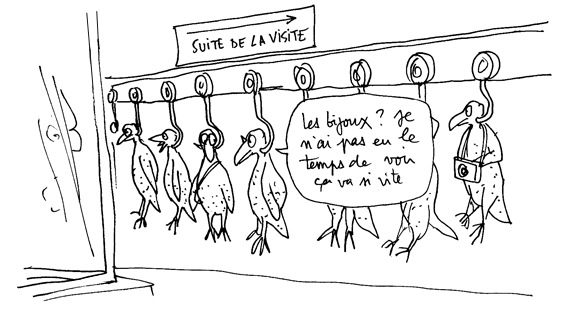
But nearby lies an extraordinary three-story archaeological museum, rich in Sumerian and Assyrian antiquities and very well presented. It’s rarely crowded, which is a plus.
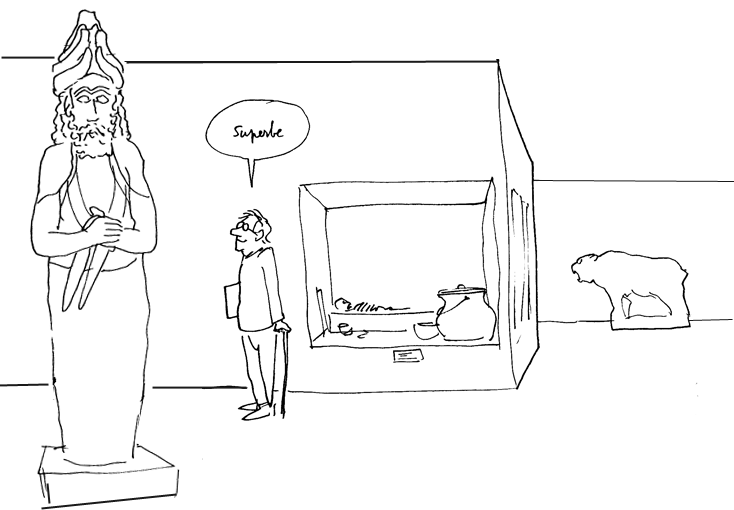
The Istanbul Archaeological Museum
Apart from places like the Louvre, British Museum or other foreign museums, regarding Assyrian-Babylonian antiquities, I recommend a detour to Baghdad’s museum; bulletproof vests are provided at entry.
In that same museum you can admire one of archaeology’s wonders: the so-called “Tomb of Alexander the Great,” discovered in a vast necropolis at Sidon. Recall that Alexander the Great was Greek—Macedonian, to be precise—and his tutor was Aristotle.
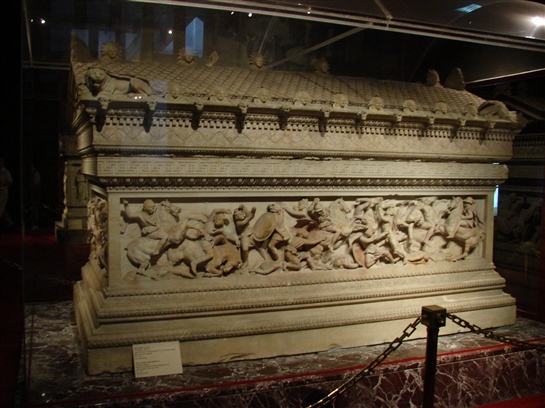
“Sarcophagus of Alexander the Great,” Greek craftsmanship. Whether it actually held his body or not, it’s a magnificent artifact.
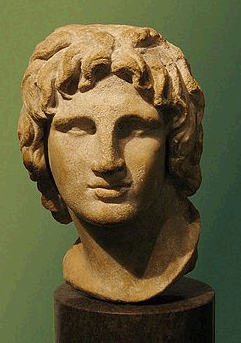
Alexander the Great, British Museum
Regarding Greek sculpture, I believe the most beautiful I’ve ever seen is a bronze statue of Hermes at Villa San Michele on Capri. Pure masterpiece. As for Greek temples, don’t miss those at Paestum, south of Naples. They remained intact due to the region’s unsanitary conditions (malaria) until Mussolini’s era.
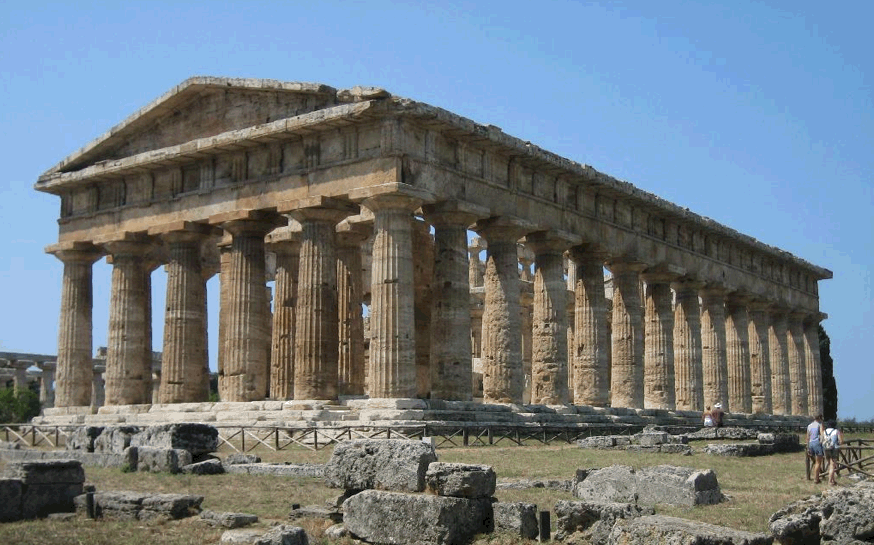
One of the Greek temples at Paestum, south of Naples.
On a cruise, entertainment is also onboard. Crew members spare no effort to organize wild parties.
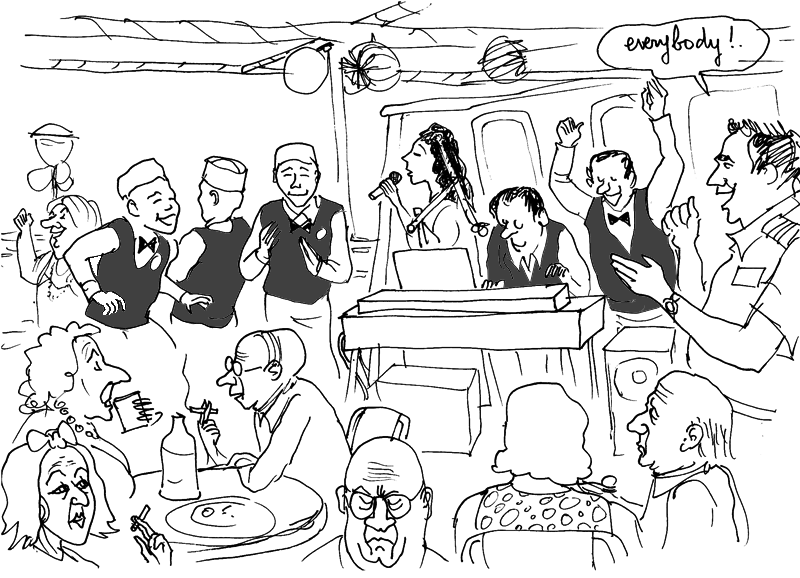
A constant festive atmosphere.
Louis Cruises (is it a Greek company or a subsidiary of a global cruise giant?) offers passengers many conveniences. After paying the cruise fare, passengers can authorize staff to charge their credit cards at the end of the trip for extras not included in the package. This happens at departure.
Mid-cruise, passengers find this note slipped under their door:
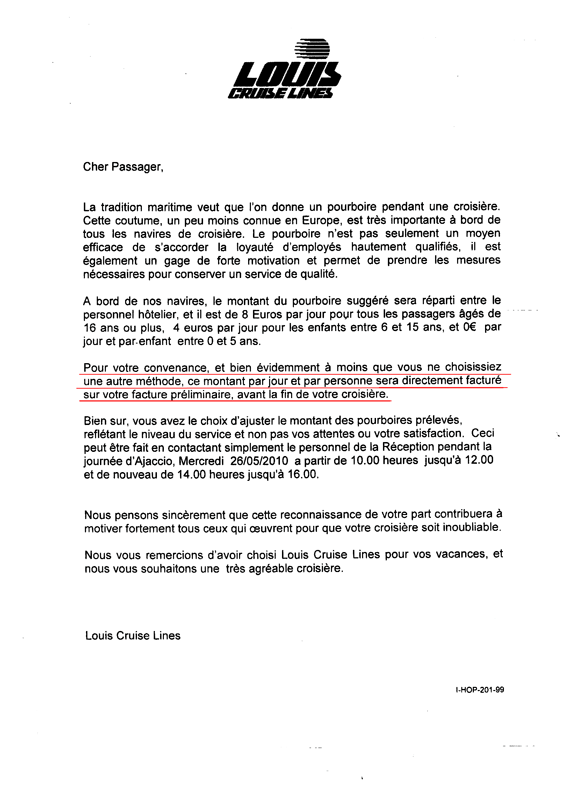
This note is supplemented by a paragraph at the bottom of page three of the daily program newspaper, distributed on the penultimate day of the voyage.
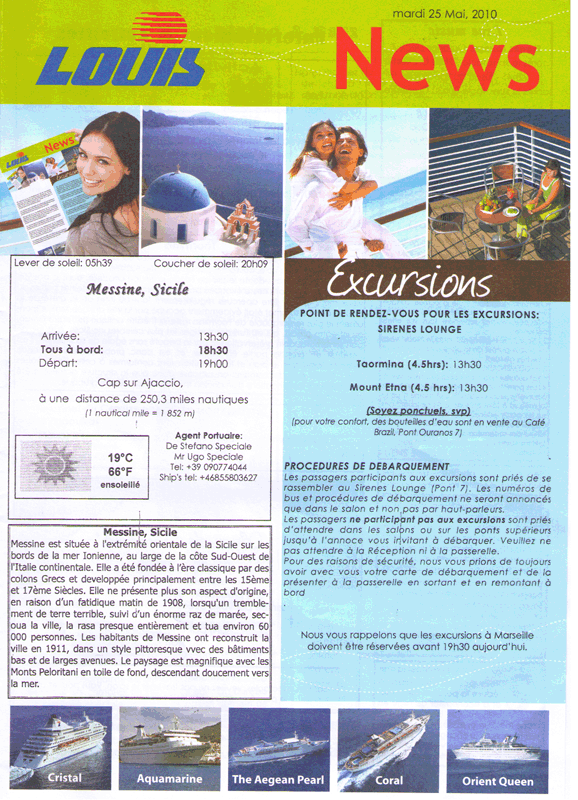
Four-page daily newspaper handed out to passengers
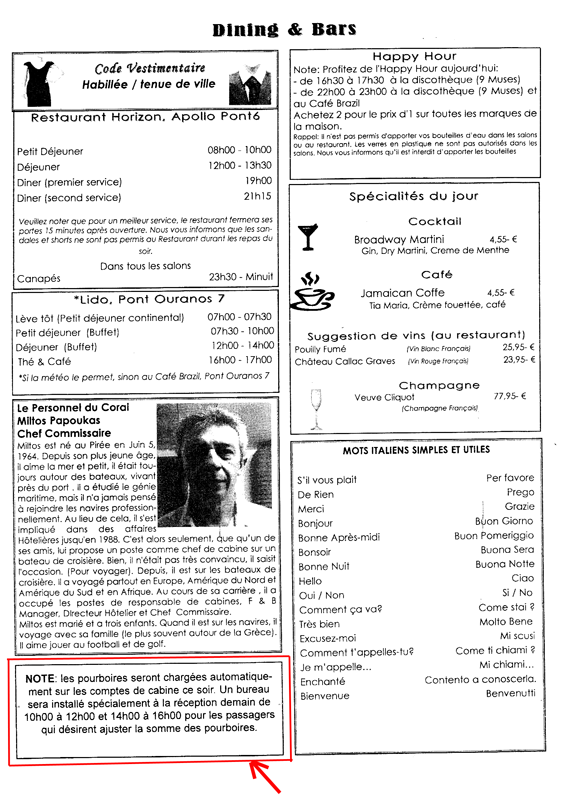
The note at the bottom of page 3 on the penultimate day’s newspaper.
Note that it no longer says “choose one method or another” but rather “you’re offered the chance to adjust the amount charged!”
The Coral can accommodate up to 950 passengers in high season. Accounting for kids during holidays, we can estimate 700 “adult equivalents” contributing to tips, amounting to 56,000 euros per cruise. Cruises run nonstop, almost three per month, totaling 168,000 euros.
Dividing by the 300 crew members gives 560 euros monthly per worker. Removing ship officers and technical staff yields a figure equivalent to hotel staff salaries, around 400 euros net, plus benefits.
As you can see, aside from Greek captains and officers, hotel staff hail from Mauritius, Thailand, Ukraine, etc. (21 nationalities onboard, per staff reports).
If these substantial tips were paid directly to hotel staff, their net salary would double. Our survey among hotel workers, confirmed by several passengers who acted on their own initiative, shows otherwise: hired for contracts of 3–9 months, working seven days a week, 11 hours daily, they claim to receive only their base wage of 400 euros monthly.
Ninety percent of passengers ignore these notes entirely; most are elderly retirees with plenty of means who let the money be deducted without complaint. Evidently, believing management relieved them of the hassle of tipping, they didn’t bother doing it themselves.
Ten percent, outraged by the practice, protested vigorously, insisting they were perfectly capable of handing out tips personally to room service, restaurant and bar staff. These passengers saw no need to “adjust amounts set by the company”; they felt this should be settled directly between guests and staff. We gave 20 euros per employee; they were both pleasantly surprised and deeply grateful.
It took some effort to get back the 160 euros per couple that had already been deducted and only returned just before disembarkation.
Apparently this system “works” on many vessels and companies worldwide, including those heading to Nordic countries.
You may think whatever you wish.
The best way to ensure you control tipping yourself, without company interference, is to refuse authorization for automatic deductions, bring cash, and pay directly at the end of your stay, when leaving the ship.
Just like in any hotel....