Mathematics geometry transformation surfaces
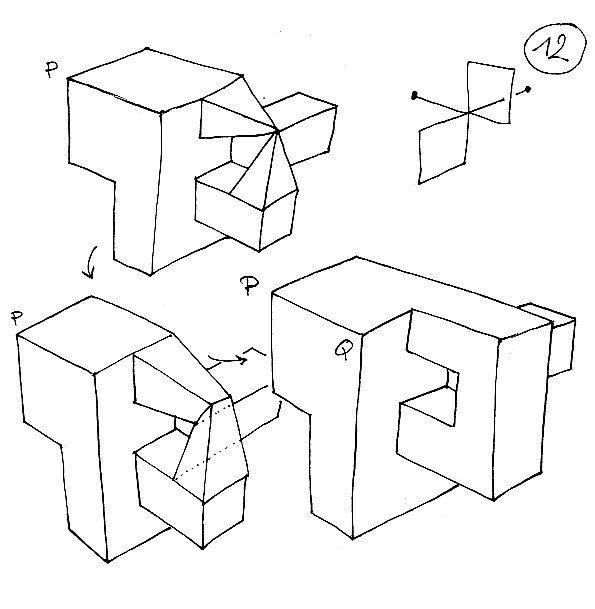
How to transform a Cross Cap surface into a Boy surface (right or left, as you choose) passing through the Roman surface of Steiner.
Italian: Andrea Sambusetti, University of Rome
27 September - 25 October 2003
Page 3
Table 8: It starts by moving two cusp points (C2 and C4) closer to the triple point T. To do this, we have highlighted with dots a part of the surface that we will "pierce from the inside", with a "pyramidal pin" (come on, build some models, otherwise you're ready for the asylum). As they develop, the tips of these pyramids are nothing more than the cusp points C2 and C4 that migrate and merge.
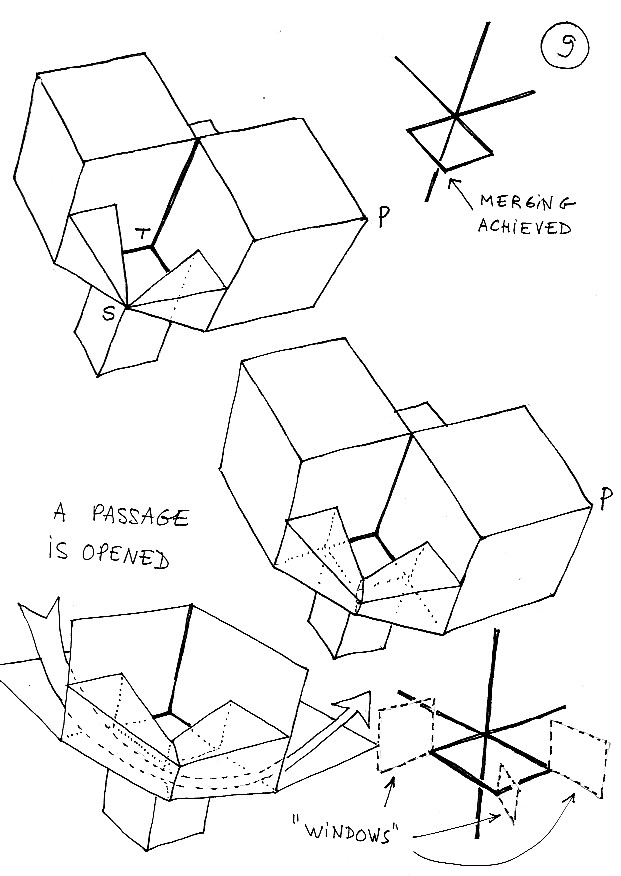
Table 9: The cusp points merge into S and "disappear". Therefore, the self-intersection curve loses two cusp points and gains... a ring (in a polyhedral form: a closed polygonal line).
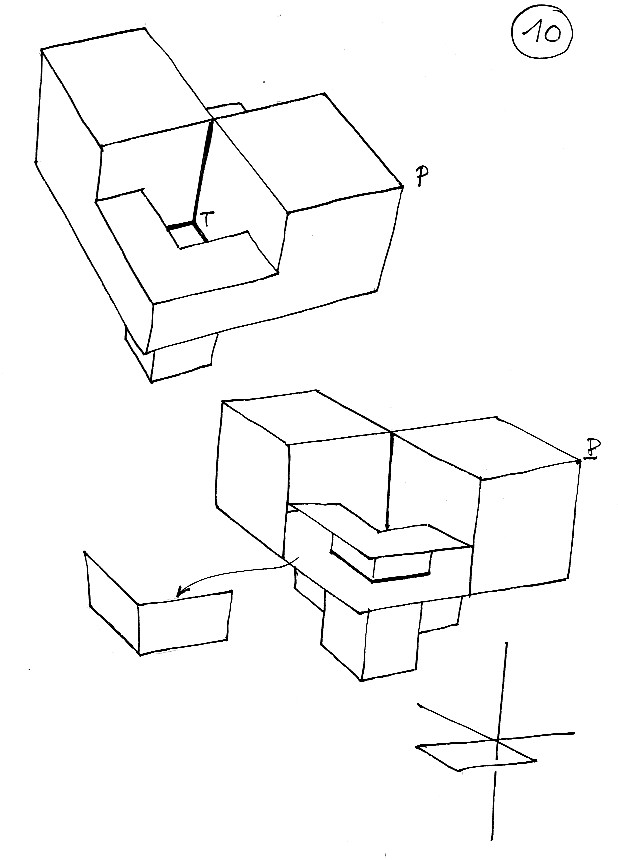
Table 10: This "square-section tube" is formed.
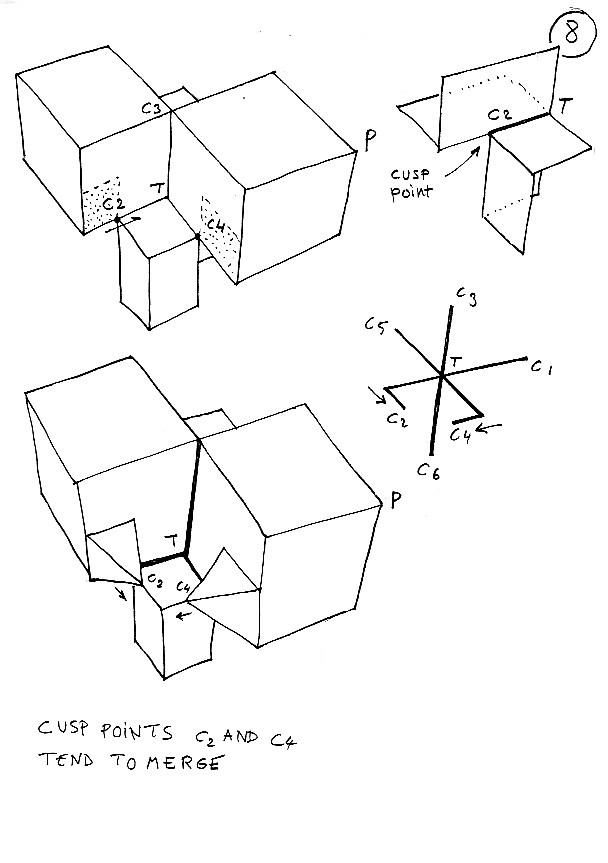
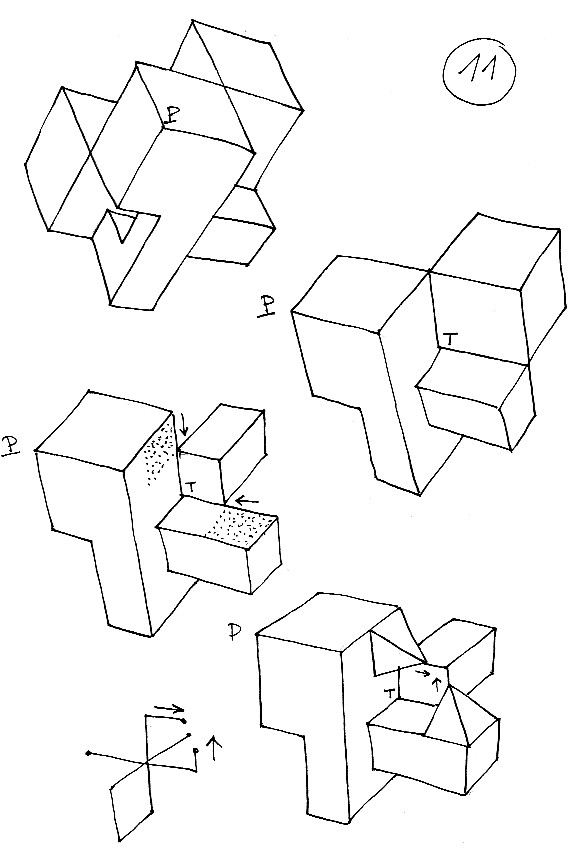
Table 11: We turn this object to see it from another angle, and we move two other cusp points, then we pierce "from the inside" (which is absurd, as we said the Roman surface of Steiner is one-sided) as before the parts highlighted with dots. We continue with this operation of migration-convergence of this second pair of cusp points.
In this last image, the points are about to touch. Table 12: The passage between the two pyramids has opened. Now only two cusp points remain.
Return to the index "Transformation of a Cross Cap into a Boy"
Return to the section News Return to the section Guide Return to the Main Page
Number of visits since 25 October 2003 :