יומן של תקלה מוקדמת
יומן של תקלה מוקדמת
15 במרץ 2011
ב-2006, מומחה יפני, חבר בועדת שיקול מתקנים להתקנות אטומיות יפניות (האחת שנקראה עליה הפעם נפגעה ב-40 שנה), עזב את הועדה, מציינת כי האזהרות המושכות שלו לא הופעלו, בשל אי אחראיות של החברה הפרטית שמנהלת את המתקנים, וכן של הרשויות הממשלתיות; בשל "רентאביליות של המתקנים".
שם, הרגע הנותר ניצח: מה שיקרה, המפעלים החתוכים, שבהם הוכנסה מים מים, לא יוכלו להחזיר לפעול.
"אלא אם ייקחו צעדים קיצוניים להקטנת הרגישות של המפעלים להתרעויות אדמה, יפן עלולה לחיות תקלה אטומית אמיתית בקרוב."
[המאמר באנגלית ותרגומו לעברית על ידי טוריא] (/legacy/nouv_f/seisme_au_japon_2011//nouv_f/seisme_au_japon_2011/article_Ishibashi_2007_traduction.pdf)
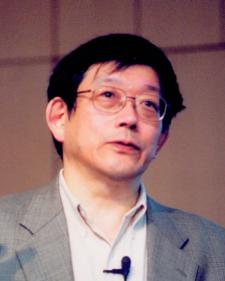
"אלא אם ייקחו צעדים קיצוניים להקטנת הרגישות של המפעלים להתרעויות אדמה, יפן עלולה לחיות תקלה אטומית אמיתית בקרוב." האזהרה נלקחה מאמר שפורסם ב-11 באוגוסט 2007 בجريدة International Herald Tribune/Asahi Shimbun ( ). המחבר הוא הסיסמולוג אישיבאשי קאטסוחיקו, פרופסור באוניברסיטת קובה (הбиוגרפיה שלו נקראת כאן).
אישיבאשי קאטסוחיקו.
אישיבאשי קאטסוחיקו היה חלק מהועדת מומחים שקבעה את הסטנדרטים הסיסמיים של מפעלים אטומיים יפניות. הוא עזב את הועדה כדי להביע מחויבות לשקט.
הוא חשב שההמלצות שהוגדרו על ידי הועדה היו הרבה יותר רחבות מדי.
_put another way, professor Katsuhiko predicted what is currently happening at the Fukushima plant. He warned his country's authorities that Japanese nuclear power plants suffered from a "fundamental vulnerability" to earthquakes.
But his warnings were ignored by both the government and Tepco (Tokyo Electric Power Company), the world's largest private electricity producer, which operates a third of Japan's nuclear power plants, including the one in Fukushima.
Katsuhiko raised his alarm in 2006, the year when Japan's seismic safety standards were strengthened.
According to the seismologist, this reinforcement was still very insufficient.
The facts proved him right the following year. On July 16, 2007, a magnitude 6.8 earthquake caused serious incidents at the Kashiwazaki-Kariwa nuclear power plant, the world's largest nuclear power station. This plant is located on Honshu Island, Japan's main island, like almost all Japanese nuclear power plants, which surround the three largest cities in the country: Tokyo, Nagoya, and Osaka.
Before the July 2007 earthquake, another had occurred in August 2005, affecting the Onagawa plant, north of Fukushima; another in March 2007, with its epicenter 16 kilometers from the Shika plant. And this repeated the following year, with a magnitude 6.8 quake east of Honshu, near Onagawa and Fukushima. Although there were no major damages, Tepco reported three leaks of radioactive liquid at Fukushima Daini.
Thus, the accident that just occurred at Fukushima cannot be considered a true surprise, even though it caught the plant operators and authorities off guard.
This accident is a much more severe reproduction of events that have repeated at least since 2005.
Ishibashi Katsuhiko analyzed the risk, explaining that in each case, "the ground motion caused by the earthquake exceeded the maximum value anticipated in the plant's design."
During the earthquake that affected the Kashiwazaki-Kariwa plant, the peak seismic acceleration was more than double the value the plant was supposed to withstand. "What happened at Kashiwazaki-Kariwa should not be considered unexpected," wrote the seismologist.