하이에: 자살 안내서
2011년 5월 5일
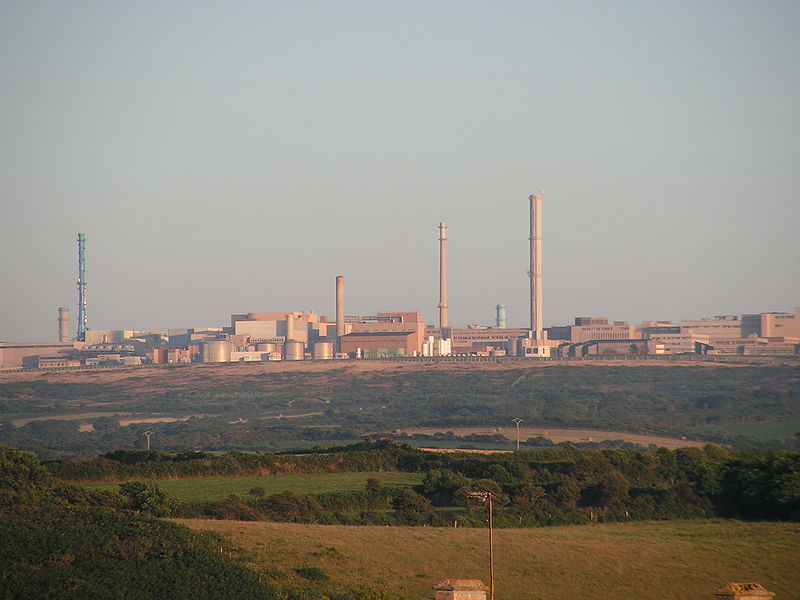
하이에 공장
프랑스 북부 해안 지역
위키백과에는 프랑스 북부 코탱탱 지역에 위치한 하이에의 '재처리 중심지'에 관한 정보를 제공하는 페이지가 있다.
http://en.wikipedia.org/wiki/COGEMA_La_Hague_site
이 공장은 핵 폐기물 배출 측면에서 세계에서 가장 오염이 심한 공장으로, 1961년에 가동되어 반세기가 되었다는 사실을 알 수 있다(...).
수십 년 동안 하이에 공장은 프랑스와 외국의 여러 원자력 발전소에서 나온 '폐기물'을 회수하여 '처리'해왔다.
실제로 이 과정은
화학적 방법을 통해
핵 반응으로부터 생성된 우라늄 238(비분열성)이 빠른 중성자를 흡수하여 생기는 플루토늄의 1%만을 추출하는 데 집중되어 있다. 이 순수한 플루토늄은 작은 패키지로 포장되어 프랑스 남부 가르드 지역의 마르쿠울에 있는 MELOX 공장으로 운송된다. 여기서 플루토늄은 우라늄-238과 7% 혼합되며, 이 혼합물은 새로운 '원자력 연료'인 MOX(혼합 산화물)로 만들어진다.
이 MOX 연료는 다시 소비국에서 사용되어 군사적 목적의 플루토늄을 추출할 수 있다.
왜 이란처럼 비용이 큰 원심분리법으로 우라늄을 농축하려고 애쓰는가? MOX를 구입해 화학적 방법 하나로 플루토늄-239를 추출해 핵폭탄을 만들면 되지 않겠는가?
이러한 방법은 미국 측에서 '핵 확산'으로 간주된다.
이는 결국 세계 모든 국가가 자체적으로 원자폭탄을 제조할 수 있게 된다는 의미이다.
현재 이 연료는 프랑스의 58개 운영 중인 원자로 중 20개에서 사용되고 있다.
EPR(고급형 원자로)의 건설이 이 연료의 사용을 더욱 확대하고 있다(이 설계는 이를 위해 고안되었다).
오랫동안 우리는 MOX 도입이 우라늄-235의 핵분열 과정에서 플루토늄-238 기반의 핵분열 과정으로의 은밀한 전환을 반영한다는 사실을 몰랐다.
지금은 이 물질의 극도로 위험한 성질에 점차 인식하고 있다. 이 물질은 흡입하거나 섭취한 먼지와 함께 인간 조직에 쉽게 부착되며, 체내에서 제거할 수 없게 된다. 인간 조직에서 이 물질이 제거되는 특성 시간은 50년이다. 이러한 입자는 매우(100%) 발암성이 있다. 이것은 방사선 노출이 아니라, 측정기기로 감지할 수 없는 생물학적 오염이다.
이러한 오염은 연료 집합체에서 발생한 파편이 방출되는 원자력 사고 시 발생할 수 있다.
이러한 사고는 이미 발생했으며, 후쿠시마 3호기의 폭발 이후에도 계속되고 있다. 이 원자로는 MOX를 사용하고 있었다.
미국에서도 플루토늄 먼지가 검출되었다.
이 영향은 전 세계로 퍼졌으며, 일부 전문가들은 이로 인해 수백만 건의 암이 발생할 수 있다고 주장한다.
3호기에서의 방출을 막기 위해서는 연료봉을 제거하고, 최소한 특수 설계된 수조에 담아야 한다. 그러나 이러한 요소에 접근하는 것은 불가능하며, 단기 또는 장기적으로 접근이 가능해질지 확실하지 않다.
정지된 원자로의 연료 요소를 계속 냉각해야 하며, 그 중심부는 이미 크게 녹아내려 있으며 수십 메가와트의 열 에너지를 방출하고 있다. 폐쇄 순환수 시스템과 열교환기 조합으로 이 열을 제거할 수 있을 것이다. 그러나 원자로의 심각한 손상 상태로 인해 이를 수행하는 것은 불가능하다.
일본은 개방 순환 냉각 방식을 강제로 사용하고 있으며, 신선한 물을 주입하거나 분무한다.
이 물은 손상된 중심부를 순환하며, 지르코늄 관에 담겨 있던 연료 요소들이 녹아 나온 파편을 방출하게 만든다.
이 물은 플루토늄 입자와 매우 독성 강한 다양한 방사성 동위원소를 포함하고 있다. 일부는 수증기로 변환되어 대기 중으로 방출되고, 나머지는 원자로 지하의 갱도에서 지진으로 인해 생긴 탐지 및 밀봉이 불가능한 균열에 쌓인다. 테프코는 이 물을 펌프로 빼내어 현재까지는 탱크에 보관하고 있다.
탱크가 가득 찰 경우, 테프코는 고도로 방사능 오염된 물을 바로 인근 해양에 방류하며 주민과 어부들에게 사과했다.
이러한 상황은 폐쇄 순환 냉각 시스템이 구축될 때까지 계속될 것이다. ....
우리는 왜 주변의 극도로 높은 방사능 때문에 원자로에 접근할 수 없는지 이해할 수 없다.
이 치명적인 방출을 초래한 두 기업은 다음과 같다:
-
일본 기업 테프코
-
프랑스 기업 아레바. 이 회사는 마르쿠울의 MELOX 공장에서 플루토늄 기반 신형 연료를 제조하고 판매하고 있다.

테프코의 사과 답변. 아레바 경영진은 언제 사과할 것인가?
그러나 더 심각한 문제가 있다.
50년 이상의 운영 기간 동안 하이에 센터는 '재활용 센터'가 아니라, 마르쿠울에서 플루토늄 연료를 추출·판매하기 위한 조건부 처리 센터로, 상상할 수 없을 정도의 물량을 축적해왔다. 이 물량의 규모는 위키백과 페이지에 명시되어 있지 않다.
60톤의 플루토늄
이 플루토늄을 포함한 집합체는 현재 하이에에 위치한 4개의 수조에 보관 중이며, 이 수조들은 방호벽이 없는 단순한 코팅층으로 이루어진 지붕을 가진 건물에 있다(...)
악마의 주방
플루토늄은 납보다 더 밀도가 높다(1리터당 19킬로그램).
이 계산에 따르면 60톤의 플루토늄은 3.15m³에 해당하며, 한 변이 1.46미터인 정육면체 안에 들어갈 수 있다.
하이에 공장은 세계에서 가장 위험하고 독성 강한 물질을 회수하는 재처리 센터이다. 후쿠시마의 상황을 고려할 때, MOX 연료 생산을 중단하고 마르쿠울의 MELOX를 폐쇄하며 하이에 공장에서 '악마의 재료'를 재처리하는 것을 중단하는 것이 합리적인 반응이다.
하이에는 쓰레기장과 유사한 처리 센터, 즉 '핵 쓰레기통'이 아니다.
그것은 안전한 장소다.
다음과 같은 간단한 문제를 제시한다. 수준은 자격증 수준이다.
제조업체가 60톤의 플루토늄을 보유하고 있다. 석유 드럼은 160리터 용량이다. 석유 드럼의 용량은 160리터이다.
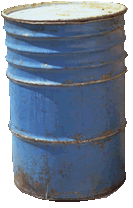
석유 드럼
플루토늄 1그램은 석유 1톤과 동일한 에너지를 방출한다. 석유의 평균 밀도는 리터당 0.88킬로그램이며, 시장 평균 가격은 약 100달러(73유로)이다. 한 변이 1.46미터인 플루토늄 정육면체에 해당하는 석유 당량 드럼 수를 계산하고, 현재 하이에에 보관된 플루토늄 재고의 유로 가치를 계산하라.
60톤 = 60,000,000그램 = 600억 킬로그램의 석유 당량
140파운드(드럼 무게)로 나눈다.
결과는
428백만 드럼
1드럼당 73유로이므로,
총 312억 유로
하이에 공장은 연간 1,700톤의 '사용된 연료'를 처리할 수 있다. 현재는 약 1,000톤을 처리하고 있다. 이 숫자를 기억해 두자. 이 질량에서 1%의 플루토늄을 회수할 수 있으며, 연간 10톤에 해당한다.
이것은 1,428개의 원자폭탄에 해당하는 위험을 의미한다.
재처리(화학적) 비용을 고려하지 않는다면, 이 기여는 연간 매출로 약:
52억 유로
원문 (영문)
The Hague: Suicide manual
May 5, 2011
The la Hague plant
,
in northern coast of France
There is a page in Wikipedia, which gives some information on the website of La Hague "reprocessing center" located in Cotentin, in the nothern coast of France.
http://en.wikipedia.org/wiki/COGEMA_La_Hague_site
You will learn that this plant, the dirtiest in the world towards nuclear discharges, was commissioned in 1961, a half-century ago (...).
The La Hague plant recovers for decades the "waste" from different French and Foreign plants, and "retires" this material.
In fact this restatement
is entirely focused on the extraction, by chemical means,
of 1% of plutonium produced by fission in nuclear reactors to uranium by fast neutron capture by the nuclei of non-fissile uranium 238. This plutonium, pure, is then packed in small packages and ships in MELOX at Marcoule in Le Gard, in the south of France. Here, this plutonium is diluted, up from 7% in the uranium-238 and this mixture is a new "nuclear fuel", called MOX (mixed oxide).
The chemical MELOX may in turn be implemented in consumer countries, to extract plutonium for military purposes.
Why bored, as do the Iranians to enrich uranium ore by costly centrifugation, then he just buy MOX and extract plutonium 239, through purely chemical technique, to make explosive-type for fission bombs?
This method is considered MELOX by Americans as "proliferation".
This means that this technique will eventually allow all countries of the world of their own atomic bombs.
This fuel is currently used in 20 of 58 reactors in operation in France.
The construction of the EPR generalize his job (they were designed for).
w
e have ignored for a long time that the introduction of MOX reflected a stealth shift from a fission of uranium by 235 to a process based on fission of Plutonium 238.
Everyone is beginning to experience the extreme dangerousness of this substance, which has a high propensity to bind to human tissues after inhalation or ingestion of dust.The human body is then unable to eliminate them, the characteristic time of its release by human tissues is 50 years. These particles are highly (100%) carcinogenic, It is not an irradiation,
but it is a biological contamination, undetectable by a measuring instrument
.
This contamination could occur in case of nuclear accident with release of debris from the fuel assemblies.
This happened, and continues, since the explosion of reactor number 3 of Fukushima, who was charged with MOX.
Dust of plutonium were found in the United States.
The strike spread across the planet and some experts say it coud produce of a million cancers.
To stop this release from reactor number 3 should be able to extract its fuel rods and, at the very least, dip in a pool specially designed for this purpose.
Yet access to these elements is impossible, and it is not clear when such access could be possible in the near or distant future.
It is necessary to continue to cool the reactor fuel elements "arrested" with the heart, largely melted, releases several tens megawatts of thermal energy. Water circulation in closed circuit, coupled to a heat exchanger, could help evacuate those calories.cBut the deteriorating condition of the reactor makes it impossible.
The Japanese are forced to implement a cooling "open circuit", by injection or spraying of fresh water.
The latter, circulating in the damaged heart, is responsible for debris from the fuel elements that have escaped from zirconium tubes that contain and have melted.
That water is filled with particles of plutonium and a wide range of highly toxic radionuclides. It is partly transformed into steam, which escapes into the atmosphere. The rest queue by an array of cracks, impossible to locate and seal, due to the earthquake in galleries located in the basement of reactor. The company TEPCO then proceeds to pump this water, which has so far been sent in tanks.
When these have been filled to the brim, TEPCO has just spilled the highly radioactive water in the ocean close by apologizing to the residents and fishermen.
All this will continue until a closed circuit cooling could not be established. ....
We do not see how the reactor remains unapproachable because of the prevailing high radioactivity in the vicinit
y.
Two companies are directly responsible for this murderous dispersion:
-
The Japanese company TEPCO
-
The French company AREVA, which manufactures and markets the new plutonium fuel in its MELOX.
Apologies responses TEPCO. When will come the AREVA's leaders apologizes ?
But there is much more serious.
Over five decades of operation, the center of the Hague, which is not a "recycling center" but the conditioning performed modulo Marcoule center extraction and sale of plutonium fuel has accumulated a stock that defies imagination, and whose importance is not specified in the Wikipedia page.
Sixty tons of plutonium
The assemblies taht contain this plutonium is currently stored in four pools, located in The Hague, housed in buildings whose roofs are not armored, but formed by a thin cover sheet (...)
The Devil's Kitchen
The plutonium is a more dense than lead (19 kilograms per liter).
These calculations make the sixty tons of plutonium correspond to 3.15 cubic meters, which may be contained in a cube of side 1m46.
The La Hague plant is as a reprocessing center, recovering the most dangerous substance and the most poisonous in the world. Considering what is happening in Fukushima, a logical reaction would be to stop the production of MOX fuel, close MELOX Marcoule and stop retrieve the ashes of the devil at the La Hague plant .
The Hague is not a treatment center, similar to a dump, a "nuclear dustbin".
It is a safe
Ioffers the following small problem, level certificate.
A manufacturer has a stock of 60 tons of plutonium. Le baril de pétrole a une contenance de 160 litres. A barrel of oil has a capacity of 160 liters.
Barrel of oil
One gram of plutonium released as much energy as one ton of oil. The oil also has an average density of 0.88 kg per liter. Its average price, the market is around 100 dollars, 73 euros must. Calculate the number of barrels of oil equivalent, corresponding to a cube of plutonium a forty six meters out. Calculate the euro value of the stock of plutonium currently stored at La Hague.
60 tons = 60,000,000 grams = 60 billion, sixty billion kilograms of oil equivalent.
Divide by 140 pounds, which corresponds to the weight of a barrel.
We get
428 million barrels.
At 73 euros per barrel, it makes
31.2 billion euros
The La Hague plant has the capacity to process 1,700 tonnes of "spent fuel" per year. It is currently around one thousand tonnes per year. Keep this figure. In this mass we can recover 1% plutonium, 10 tons per year.
What form the burden of 1,428 atomic bombs.
If we do not deduct the cost of reprocessing (chemical) this contribution is an annual turnover of:
5.2 billion euros per year